
Understanding Foreclosures in St. Albert: What Buyers Need to Know in 2026
Foreclosures in St. Albert attract attention because they sometimes appear to offer discounts compared with traditional listings. In a city of roughly 65,000 to 75,000 residents, even a small number of distressed sales can influence buyer strategy. Provincial mortgage arrears remain below one percent, yet changing interest rates and job markets keep foreclosure activity on the radar. Entering this niche in 2026 requires clarity about legal procedures, property condition, and timelines, rather than a narrow focus on bargain pricing alone.
How does the foreclosure process work in St. Albert and Alberta?
St. Albert foreclosures follow Alberta’s judicial process, meaning lenders must apply to the Court of King’s Bench. According to Alberta Courts, the lender typically seeks an order for sale or foreclosure after several months of missed payments. Timelines can stretch from 6 to 18 months depending on court schedules, borrower responses, and property complexity. Buyers studying court-ordered sales should recognize that the lender’s primary goal is debt recovery, not maximizing cosmetic appeal.
The property is often marketed through the MLS, with wording that identifies the lender as the seller and restricts conditions. Many St. Albert foreclosures appear alongside conventional listings in neighborhoods such as Erin Ridge, Grandin, and Oakmont. Marketed prices may range from about $250,000 to $600,000 based on property type, as seen in current inventory on REALTOR.ca. The court must approve accepted offers, so even once an agreement is signed, closing dates are not entirely predictable.
Mortgage arrears still represent a small share of loans. According to the Canadian Bankers Association, Alberta’s arrears rate has generally stayed between 0.2% and 0.5% in recent years. That limited distress means relatively few foreclosure listings at any given time across St. Albert’s districts, including Mission, Braeside, and Forest Lawn. Competition for well-located properties can therefore remain strong even when the sale is court-directed.
What price dynamics and risks shape foreclosures in St. Albert?
Foreclosure pricing in St. Albert often reflects both market value and lender priorities. Benchmark detached homes in the broader Edmonton region, which includes St. Albert, frequently trade in the $400,000 to $500,000 range, based on recent trend data from the REALTORS® Association of Edmonton. Lenders may initially list close to market levels, then adjust after 30 to 60 days if offers lag. Discounts of 5% to 15% from comparable properties sometimes occur, but are far from guaranteed.
Carrying costs can erode any perceived discount. Vacant foreclosures near Sturgeon Road, Boudreau Road, or Sir Winston Churchill Avenue may require deferred maintenance budgets ranging from $10,000 to $40,000, depending on age and size. According to guidance from CMHC, insurers often require properties to be structurally sound and habitable, which can limit financing flexibility for heavily damaged homes. Inspection reports and contractor estimates therefore matter as much as list price.
On quiet evenings near Lions Park, a foreclosed bungalow can appear almost indistinguishable from neighboring homes. Streetlights cast a soft amber glow on frost along the sidewalk, and the distant hum from St. Albert Trail blends with laughter spilling from a nearby café on Perron Street. Only a dark window and an overgrown hedge hint at months of vacancy, underscoring how subtle distress can be in otherwise well-kept pockets along the Sturgeon River.
How do legal terms and contract conditions differ on foreclosure purchases?
Foreclosure sellers in St. Albert, typically financial institutions, rely on contracts that shift risk away from the lender. Purchase agreements often include “as-is, where-is” language and broad disclaimers. According to standard forms used in judicial sales documented by Alberta Courts, the lender usually refuses responsibility for defects, permits, or past renovations. Conditions for financing and inspection might be limited to short periods of 5 to 10 days, with little flexibility for extensions.
Title review becomes especially important. Properties in neighborhoods such as Jensen Lakes, Deer Ridge, and Akinsdale can carry additional registrations, including caveats, condominium liens, or unpaid utility charges. According to Service Alberta – Land Titles, buyers who obtain up-to-date title searches can identify encumbrances before committing significant deposits. Legal professionals frequently analyze whether certain writs or liens will remain attached after the court’s final order, particularly when multiple creditors appear on title.
Insurance, utilities, and property tax adjustments also differ. Municipal tax balances in St. Albert can reach into the low $thousands on standard single-family lots, based on rates published by the City of St. Albert. Foreclosure contracts often allocate responsibility for arrears and penalties in specific ways defined by the court order. Careful review of statement-of-adjustments documents is essential to avoid unexpected closing-day expenses that offset any headline discount.
What due diligence is essential around property condition and neighborhood context?
Physical condition ranges widely among foreclosures in St. Albert, from nearly turnkey townhomes in Lacombe Park to heavily dated bungalows in Grandin. According to inspection cost surveys summarized by CMHC, professional inspections in Alberta often run between $400 and $700. That modest upfront expense can reveal structural movement, aged furnaces, or moisture issues that might otherwise require $5,000 to $20,000 in immediate repairs, especially in older properties bordering Hebert Road or Grosvenor Boulevard.
On a bright Saturday near Red Willow Park, the contrast between a renovated townhouse and a nearby foreclosed unit becomes stark. Fresh paint gleams in the sunlight on one façade, while peeling trim and a sagging front step dull the other. The air smells of pine and barbecue smoke drifting from balconies, and the echo of children playing on the paved paths highlights how an unloved front yard on Larose Drive can visually change an entire row of homes.
Neighborhood analysis matters as much as interior condition. The City of St. Albert notes a growing population supported by schools such as Paul Kane High School, Bellerose Composite High School, and École Father Jan. Proximity to amenities like Servus Credit Union Place, Sturgeon Community Hospital, and St. Albert Place often supports long-term value. Even when a property needs substantial work, locations near arterial routes such as St. Albert Trail, Ray Gibbon Drive, and Giroux Road can remain attractive to future tenants or purchasers.
How does financing work for foreclosures in St. Albert in 2026?
Financing foreclosures follows similar principles to standard purchases but with tighter lender scrutiny. According to guidance from CMHC, insured mortgages in Canada permit minimum down payments of 5% on primary residences under $500,000, provided the property is habitable. Homes requiring extensive structural work near Oakmont Drive or North Ridge Drive might fall outside typical insured parameters. In those cases, higher down payments of 20% or more through conventional lenders often become necessary.
Appraisals play a key role. Lenders financing foreclosures on condominiums close to St. Albert Centre or along Gate Avenue may require appraised values to align closely with purchase price, sometimes within 5% to 10%. According to market snapshots from the REALTORS® Association of Edmonton, average days on market for regional listings often range between 30 and 60 days. Faster-selling segments can influence appraisers to focus heavily on the most recent comparable sales, especially for properties under $450,000.
Some buyers pursue purchase-plus-improvement mortgages to address repairs. CMHC’s renovation programs, outlined on its consumer pages, allow certain improvement costs to be added to the mortgage when supported by quotes. Budgets commonly span $10,000 to $40,000, depending on project scope. In St. Albert, that approach can make sense for foreclosures near schools like Lois E. Hole Elementary or Sir George Simpson Junior High, where long-term demand supports investment in functional, energy-efficient upgrades.
How should buyers in 2026 think strategically about foreclosures in St. Albert?
Strategy begins with realistic expectations about inventory volume. Foreclosures in St. Albert usually represent a small fraction of the total listings visible on REALTOR.ca, often fewer than 5% of active properties at any time. The Canadian Bankers Association’s arrears range of roughly 0.2% to 0.5% across Alberta underscores that distressed supply remains limited. As a result, some well-located bank-owned homes in Erin Ridge North or Heritage Lakes still attract multiple offers.
Timing and preparation influence outcomes more than aggressive discount hunting. Monitoring listings near the St. Albert Farmers’ Market corridor on Perron Street, or in mature areas such as Braeside and Mission, helps identify patterns. According to recent market updates from the REALTORS® Association of Edmonton, months of inventory in the region have recently hovered between roughly 2 and 4, indicating conditions that can favor sellers. Foreclosure opportunities, when they appear, often require quick yet informed decision-making.
Long-term planning also matters. Properties close to amenities such as Botanic Park, Kingswood Park, or the trail network along the Sturgeon River may retain appeal through several market cycles. Entry points between roughly $300,000 and $550,000 for detached homes, visible in many St. Albert MLS searches, can align with both owner-occupier and investor goals. In those price bands, modest renovation budgets and stable neighborhood fundamentals often matter more than whether the sale originated through traditional channels or judicial foreclosure.
The arrears range of roughly 0.2% to 0.5% cited at the start of this guide reflects a market where foreclosures exist but do not dominate inventory. That modest distress level underscores that patience and selectivity, rather than a rush toward every court-directed listing, tend to shape better long-term outcomes. The REALTORS® Association of Edmonton monthly statistics package provides one of the clearest region-wide snapshots of inventory, pricing trends, and days-on-market dynamics. Buyers who register listing alerts, monitor foreclosure-tagged properties weekly, and schedule tours within 48 hours of promising new entries before the late-spring surge in May typically capture stronger positions, while those delaying engagement until after the summer peak often face reduced selection and firmer pricing.
FROM OUR BLOG
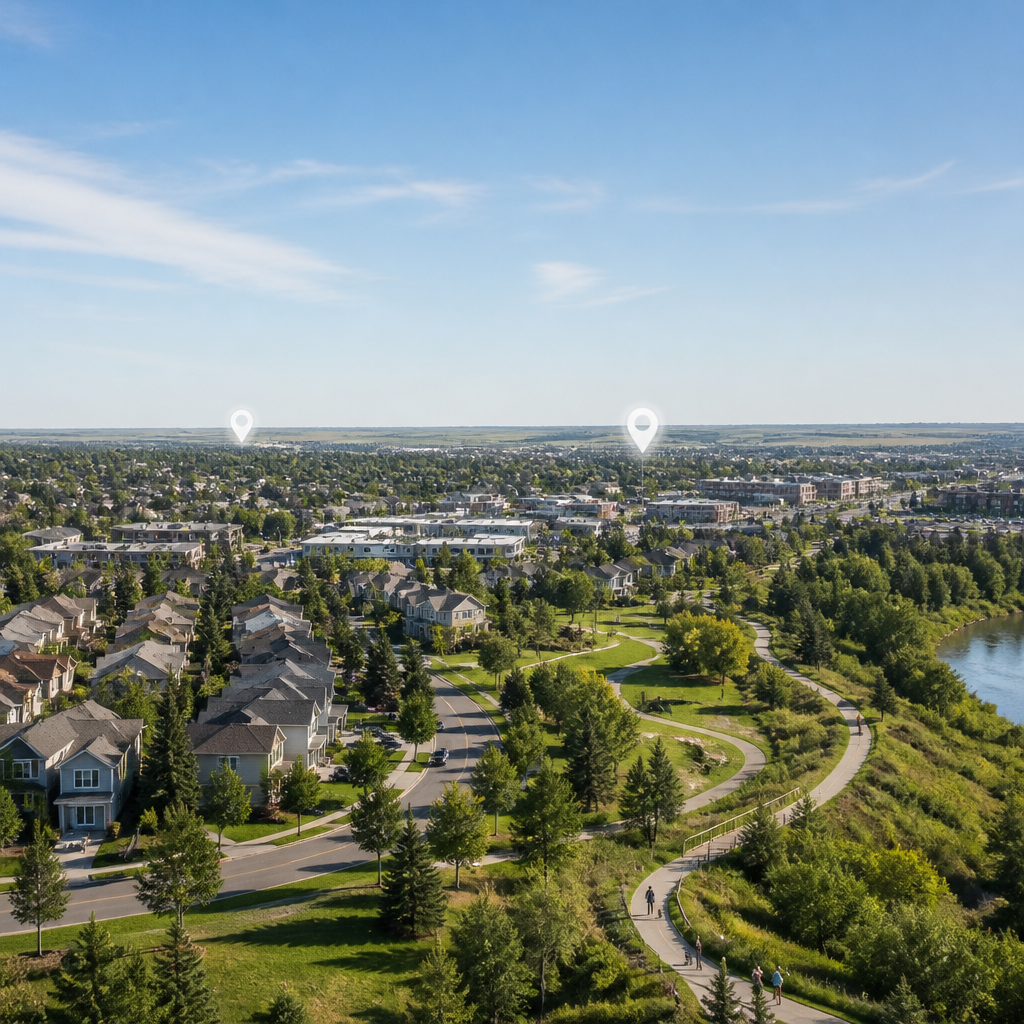

Top Investment Properties in St. Albert: Maximize Your Returns in 2026
Top Investment Properties in St. Albert: Maximize Your Returns in 2026 Investment properties in St. Albert sit within one of Alberta’s most stable mid-sized markets. According to City of St. Albert data, the city’s population surpassed 69,000 residents in 2021, with steady growth of roughly 1% to 2%

St. Albert Homes for First-Time Buyers: Your 2026 Guide to Finding the Perfect Home
St. Albert Homes for First-Time Buyers: Your 2026 Guide to Finding the Perfect Home St. Albert combines small-city charm with direct access to northwest Edmonton, making it a strategic choice for new purchasers. According to Realtor.ca, active listings in St. Albert typically range from roughly $260